

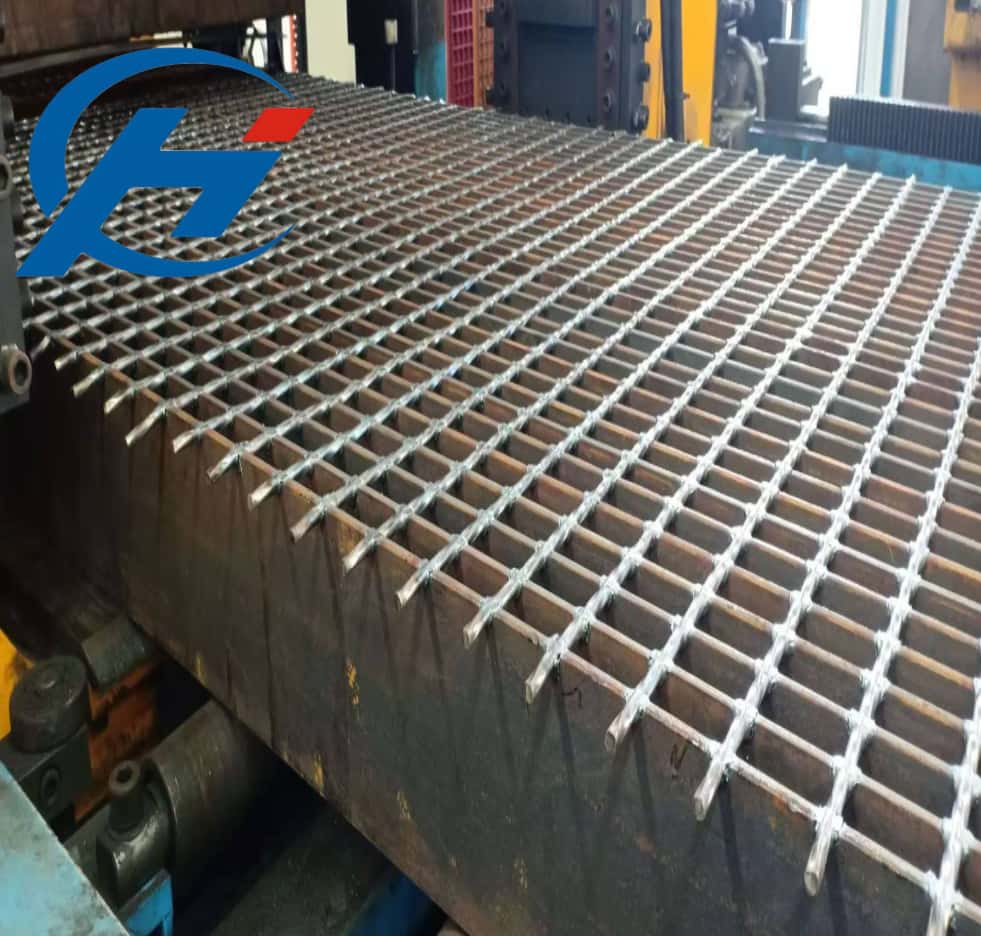
Two load-table submissions are comparable only after their assumptions have been reconciled. Use a review sheet to expose differences before a supplier’s proposed panel is accepted.
Compare the technical basis first
- Source: identify the publisher or supplier and the revision.
- Geometry: compare construction, bar dimensions and spacing.
- Material: check the specified grade and the basis stated by the table.
- Span: reconcile the table value with the actual support drawing.
- Loading: compare the same load case, units and acceptance criterion.
- Notes: list any exclusions or assumptions needing clarification.
Ask for clarification instead of choosing the larger number
If one submission appears to permit a higher load, identify why. It may use a different section, span, load definition or criterion. Do not treat an unexplained difference as an advantage in the quotation.
Make alternatives visible
A supplier may propose a different bar depth or pitch. Put the alternative on a separate line and record its effect on the panel layout, finish, weight and price. The responsible reviewer should accept the changed technical basis before the commercial offer is treated as equivalent.
Record approval against a drawing revision
Keep the selected table or calculation reference with the accepted drawing and review comments. If the support or panel arrangement changes later, identify which conclusions require rechecking. An approval email without a revision reference can be difficult to apply to the panels delivered months later.
For the reading sequence, see how to read grating load tables. Use the load information for quotation checklist to request comparable submissions at the start.
