Buying Welded vs Press-Locked Steel Grating for export projects
Welded vs Press-Locked Steel Grating helps buyers compare two grating choices before issuing a purchase request. The right choice depends on load, corrosion exposure, installation method, budget and how the grating will be maintained after installation.
This page is written for selection, not for theory. Use it to decide what to ask for in drawings, quotations and supplier discussions.
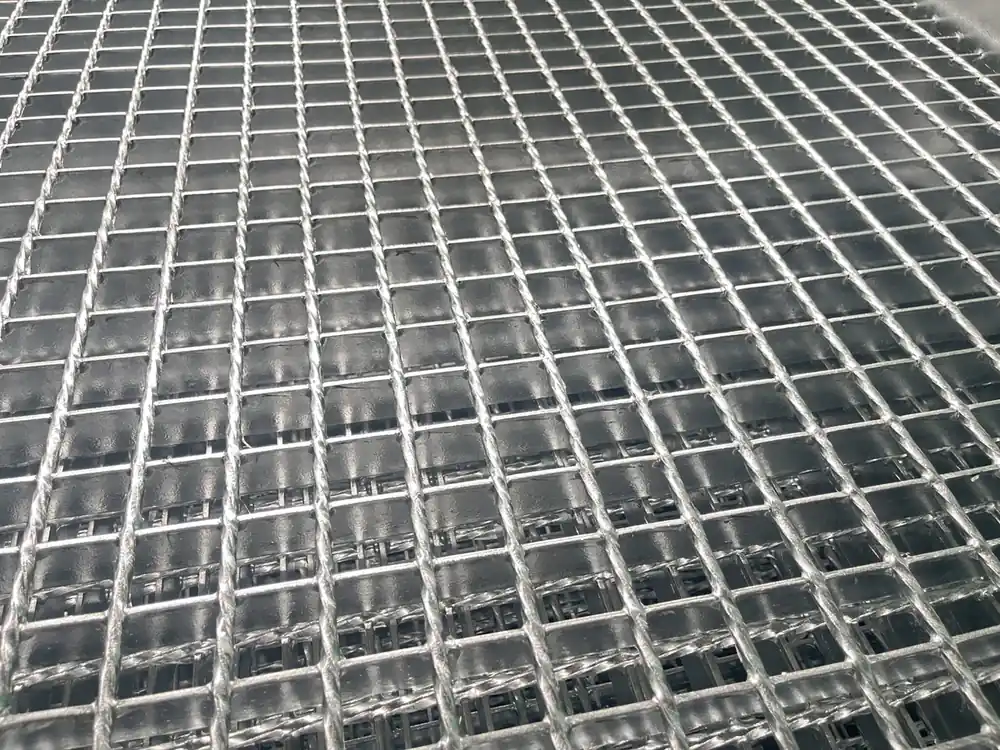
Welded vs Press-Locked Steel Grating Panels
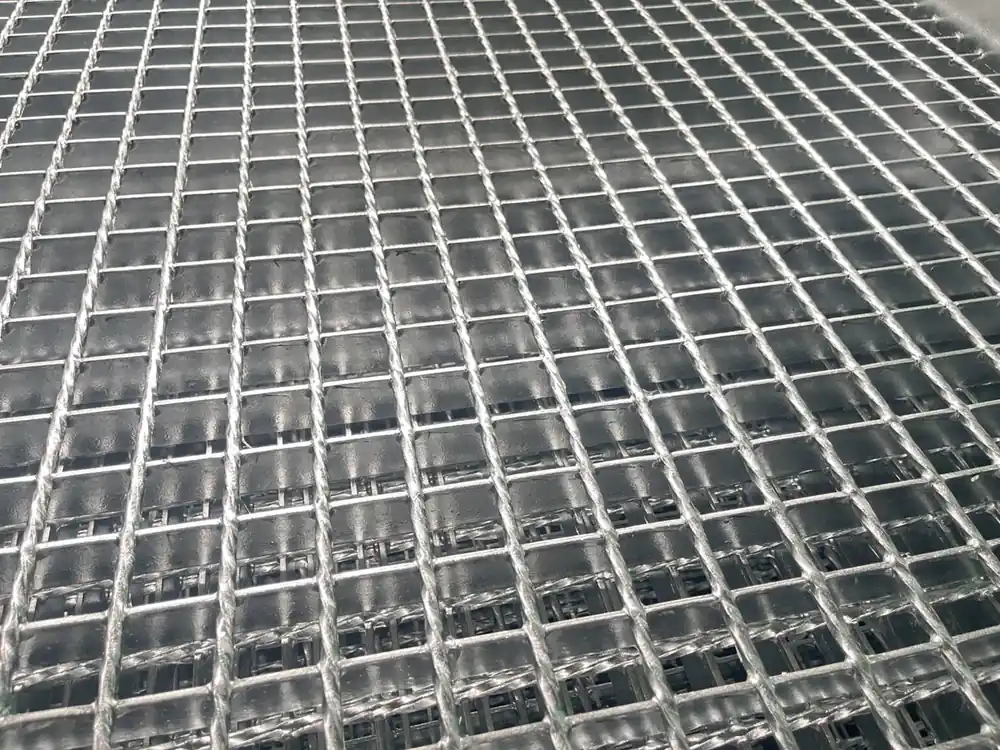
Galvanized Welded vs Press-Locked Steel Grating
Heavy Duty Welded vs Press-Locked Steel Grating
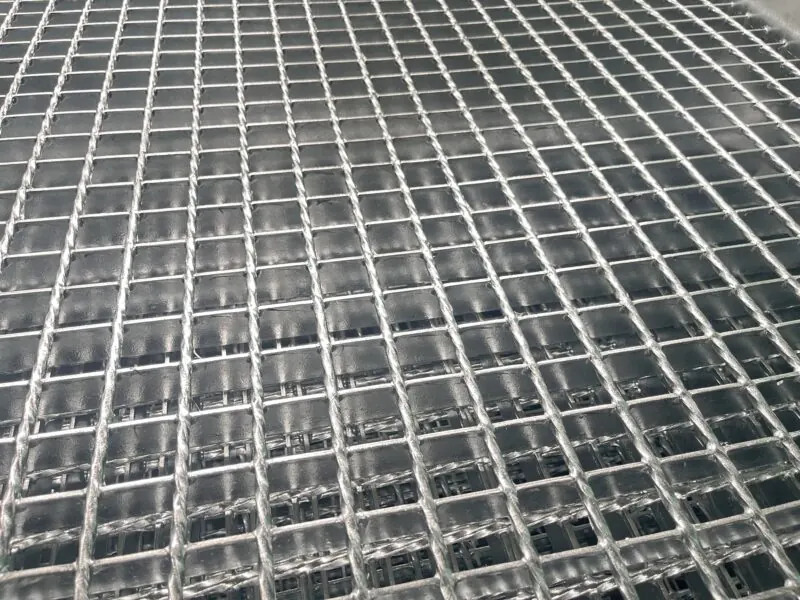
Welded vs Press-Locked Steel Grating Panels
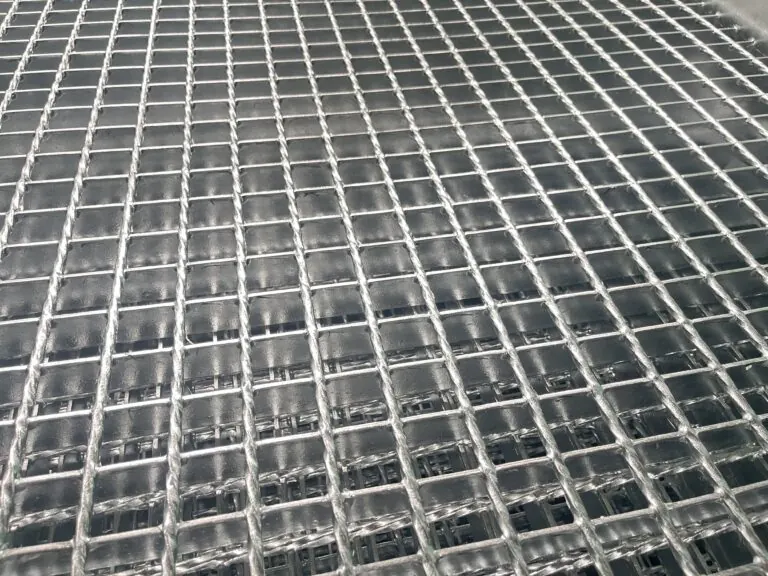
Galvanized Welded vs Press-Locked Steel Grating

Serrated Electro-forged Welded Grating
Good fit for
- Industrial platforms
- Walkways and catwalks
- Drainage covers
- Stair treads
- Custom fabricated panels
Options to compare
- Pressure-welded bar grating
- Welded galvanized grating
- Serrated welded grating
- Heavy duty welded grating
- Welded stair treads
Specification details to confirm
Steel grating quotations are easier to compare when the technical details are written clearly. The same product name can mean different bar sizes, spacing, surface and finish.
| Material | Carbon steel, stainless steel, aluminum or fiberglass depending on the page requirement. |
|---|---|
| Bearing bar | Depth and thickness should match span and load. |
| Spacing | Bearing bar spacing and cross bar pitch should follow drawings or project standards. |
| Surface | Plain or serrated top surface can be selected for the working environment. |
| Finish | Hot-dip galvanized, painted, untreated, stainless or project-specified finish. |
| Panel work | Cut-to-size panels, edge banding, openings, toe plate and fixing clips can be confirmed before production. |
How buyers usually choose Welded vs Press-Locked Steel Grating
Start with the working area, not only the product name. For a walkway or platform, span and walking safety matter first. For drainage covers, opening width and load condition are more important. For outdoor or coastal projects, the finish and packing method should be discussed before production.
If a drawing is available, send the bearing bar direction, panel marks, cutouts and fixing method. If the drawing is not ready, a rough size list and site photos are still enough for an initial recommendation.
Quality and export support
For export orders, we check grating dimensions, welding or locking quality, surface condition, coating requirement, panel marking and packing before shipment. The goal is simple: panels should match the drawing and be easy for the site team to identify after arrival.
Related steel grating pages
FAQ about Welded vs Press-Locked Steel Grating
What information is needed to quote Welded vs Press-Locked Steel Grating?
Send the drawing if you have one. If not, send panel size, load requirement, material, finish, spacing, quantity and destination.
Is welded grating suitable for heavy industrial platforms?
Yes, if the bearing bar size, spacing and clear span are selected for the project load.
Which finish works best for Welded vs Press-Locked Steel Grating?
Hot-dip galvanizing is common for outdoor carbon steel. Stainless steel or aluminum can be better for corrosive or special environments.
How should I compare prices for Welded vs Press-Locked Steel Grating?
Compare the same material, bearing bar size, spacing, finish and packing requirement. A low price with a lighter bar size may not meet the project load.
Is welded grating the same as press-locked grating?
No. Welded grating uses welded cross bars, while press-locked grating uses a mechanical locking structure.
Do I need a drawing before ordering Welded vs Press-Locked Steel Grating?
A drawing is best, but an early quotation can start from a size list, load notes and site application. Final production should follow confirmed drawings.
For a fast quote, send product type, material, finish, bearing bar size, spacing, panel size, quantity, drawings and destination. We can review the details and reply with a practical quotation.